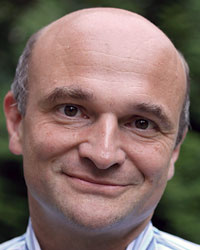
Florian Mauffrey

👋 Hi! I'm a computational biologist 💻 and microbiologist 🦠.
I have worked for universities, health institutes and hospitals. I participated in various research and diagnostic projects. 🧬

Currently working at the University of Geneva, I am still interested in new opportunities
Hi! I’m Florian. 

I specialized in bacterial genomics and transcriptomics, supporting both research projects and diagnostic analyses for hospital clinicians. My expertise covers a wide range of microorganisms, from microbiota communities to pathogenic species and environmental bacteria

With over seven years of experience, I’ve had the opportunity to collaborate with research laboratories, public health institutes, and hospitals across Canada and Switzerland. 

Whether you’re navigating a complex research challenge, seeking new insights from high-dimensional biological data, or in need of reliable bioinformatics support, I bring a rigorous, research-driven approach to every collaboration.

Image SVG

Do you need bioinformatics expertise on your team?

Interested in collaborating on a research project?

Looking for guidance with bioinformatics data analysis?

Don’t hesitate, let’s connect!

Projects I worked on

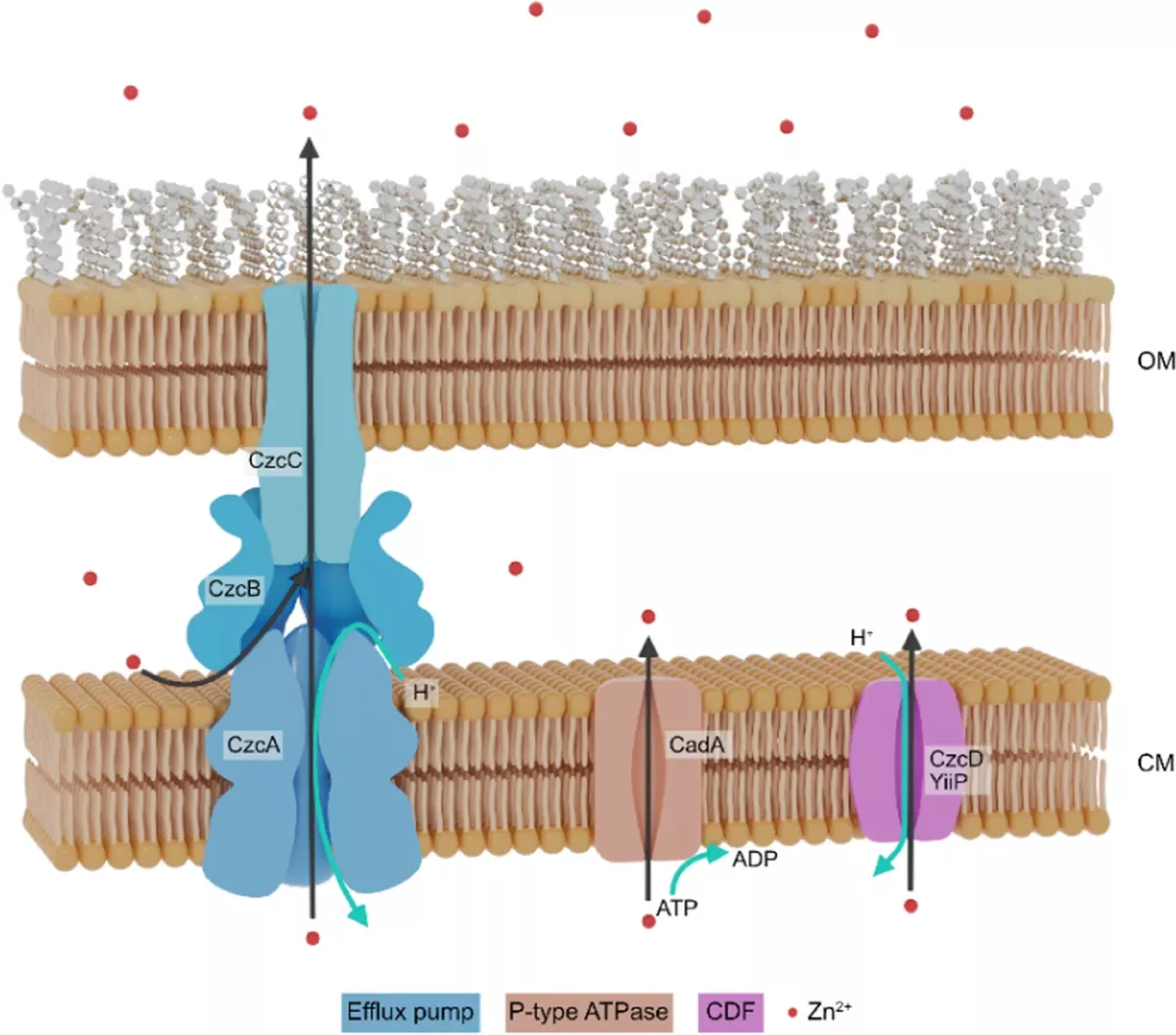
Genes activated by the zinc detector czcR in P. aeruginosa

Ut enim ad minim veniam, quis nostrud exercitation ullamco laboris nisi ut aliquip ex ea commodo consequat. Duis aute irure dolor in reprehenderit in voluptate velit esse cillum dolore eu fugiat nulla pariatur

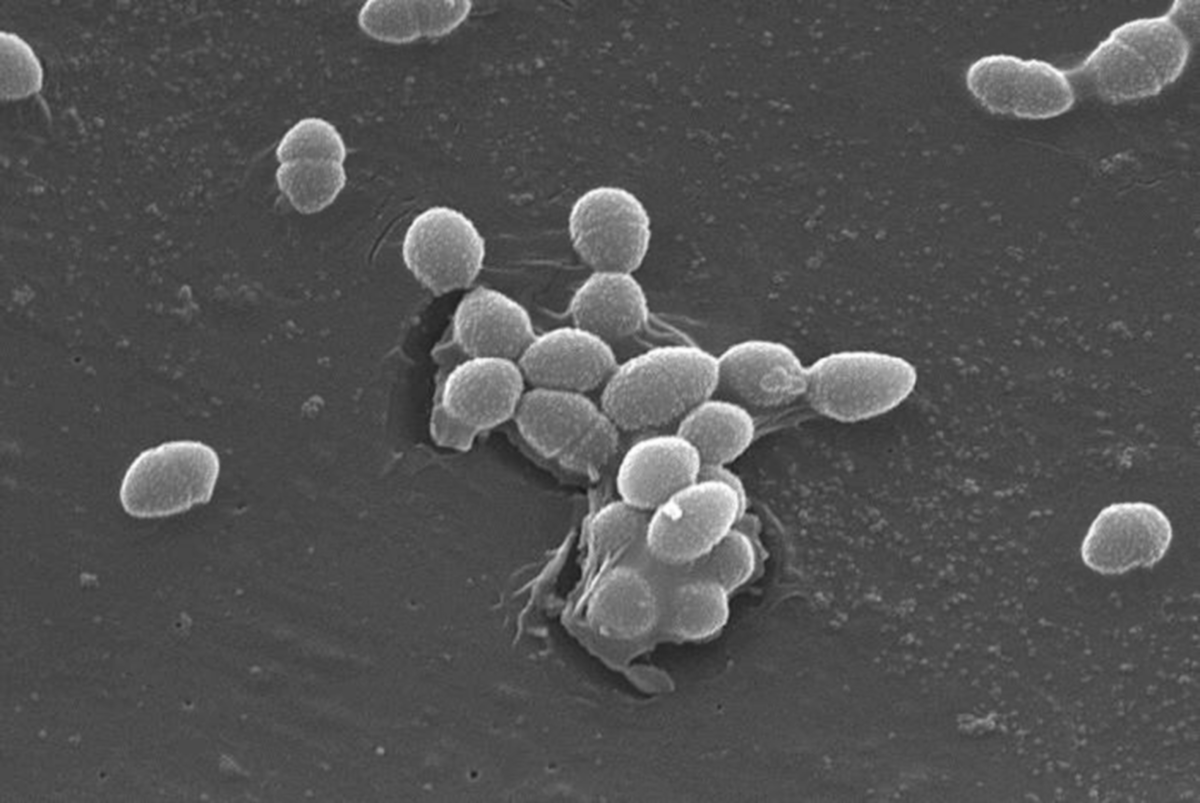
Genomic snapshot of Swiss VRE

Ut enim ad minim veniam, quis nostrud exercitation ullamco laboris nisi ut aliquip ex ea commodo consequat. Duis aute irure dolor in reprehenderit in voluptate velit esse cillum dolore eu fugiat nulla pariatur

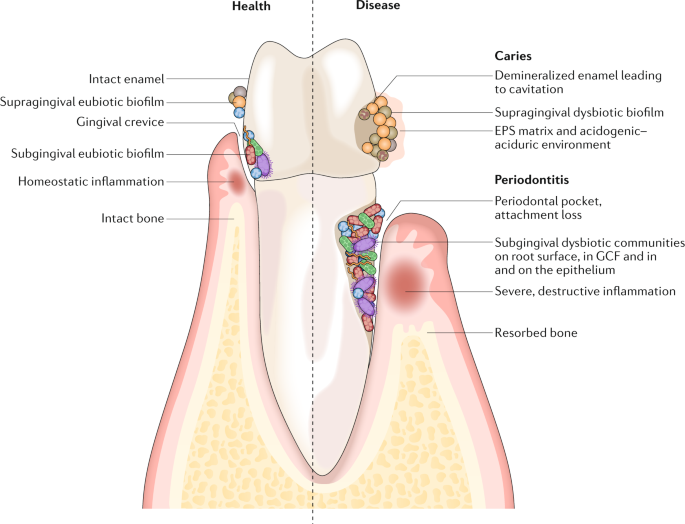
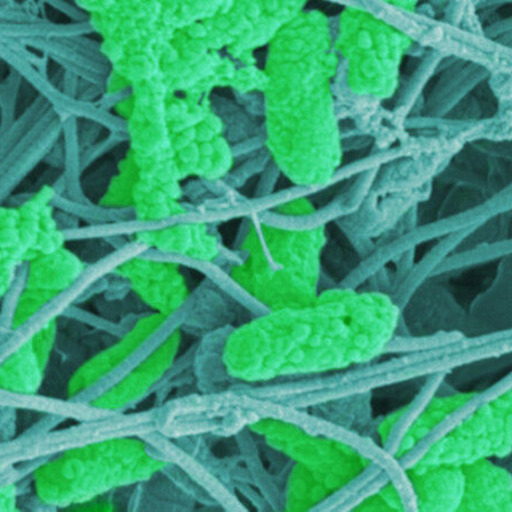
Microbiota of healthy dental pulp

Ut enim ad minim veniam, quis nostrud exercitation ullamco laboris nisi ut aliquip ex ea commodo consequat. Duis aute irure dolor in reprehenderit in voluptate velit esse cillum dolore eu fugiat nulla pariatur

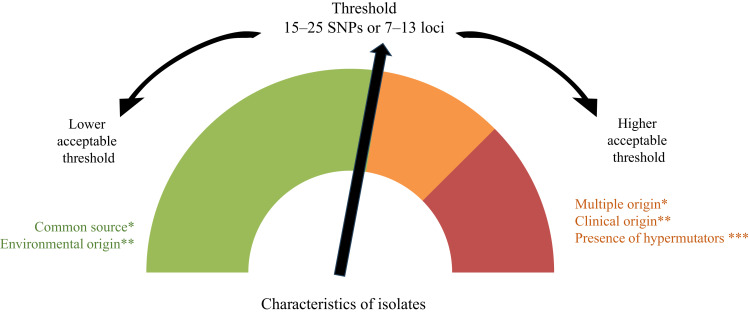
Defining thresholds investigating P. aeruginosa hospital outbreak 

cgMLST has revolutionized hospital outbreak investigations, but defining thresholds to accurately identify clusters and transmission events remains challenging. Here we tried to determined the most appropriate thresholds for P. aeruginosa.

Genomics analysis of outbreak MRSA strains

A comprehensive analysis of the progression of a MRSA clone, which emerged during an outbreak, was conducted utilizing machine learning and next-generation sequencing technologies over the course of a decade.

DNA markers for forensic investigations

Comprehensive studies of DIP-STR markers in human DNA have facilitated the identification of the lesser contributor in highly imbalanced blood mixtures, such as those found at crime scenes or during pregnancy testing.

Impact of offshore platforms using NGS

Offshore drilling platforms can cause harm to nearby marine life through spills, leaks, or drilling operations. We assessed the environmental impact using sediment samples and next-gen sequencing techniques to derive ecological status indices.

Plasmids typing with long reads sequencing

Understanding antibiotic resistance spread requires tracking plasmids, which are key transmitters. We employed long-read whole-genome sequencing on carbapenemase-resistant isolates to decode plasmid transmission dynamics in multiple hospital outbreaks.

Metagenomics analysis of infected tissues

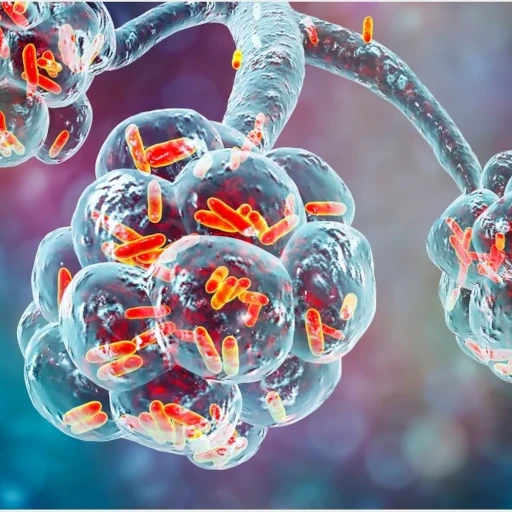
The use of mNGS for infection diagnosis is rising due to its ability to rapidly detect pathogens. We investigated the influence of bacterial DNA enrichment on mNGS-based detection and estimation of bacterial abundance in an infected tissue model.

Foraminifera phylogenetic characterization

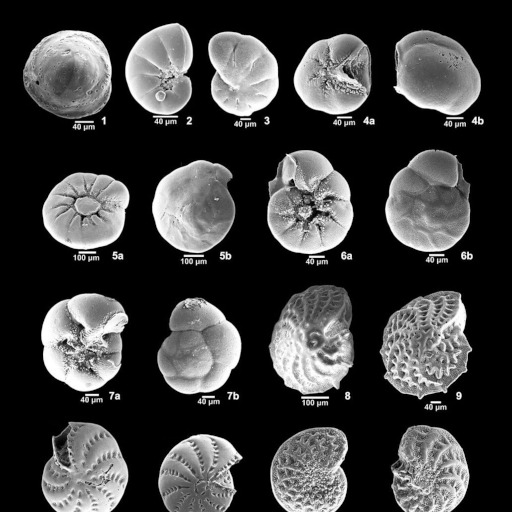
Foraminifera, a group of eukaryotic protists, have a complex phylogeny partly due to limited genomic data. In an effort to address this, we conducted an analysis of transcriptomic data from 28 species to construct the most comprehensive phylogeny to date.

Comparison of WGS-based serotyping methods

Correctly identifying the serotypes of infectious Streptococcus pneumoniae strains is vital for effective vaccine development. We assessed the efficacy of molecular-based methods (including WGS) compared to the traditional biochemical approach.

Impact of mutations on azithromycin resistance

The emergence of azithromycin resistance poses significant challenges in treating numerous bacterial infections. Our study delved into the effects of genetic mutations on the azithromycin resistance levels exhibited by different strains of Nesseria gonorrhoeae.

Coding

Some projects led to the creation of original pipelines or applications that have been used or is still used for data analysis.

Bioinformatics resources

Bioinformatics has become increasingly essential in modern biology, every biologist now benefits from having at least a basic understanding of computational tools. However, finding the right learning resources can often be time-consuming and overwhelming.


To help beginners get started, I’ve compiled a collection of useful resources that I’ve personally found valuable. These are not tutorials, but rather pointers to help you identify what to learn and where to start. There are many excellent tutorials available online, and I aim to update this list regularly to keep it relevant and helpful.
"Florian possessed remarkable professional knowledge and skills, as well as extensive experience in his field of activity, easily mastering the tasks and responsibilities entrusted to him."
Dominique S. Blanc
– University Hospital of Lausanne
"Florian has provided us with full satisfaction, both in terms of the quality of his work and his commitment. His professional knowledge and skills, particularly in the field of bioinformatics, have been greatly appreciated."
Jacques Schrenzel
– University hospital of Geneva
"Mr. Mauffrey has been able to assume his responsibilities to our complete satisfaction. My group and I would like to warmly thank him for his commitment and the quality of his work."
Diana Hall
– West Swiss University Center of Forensic Medicine

Contact me

Search