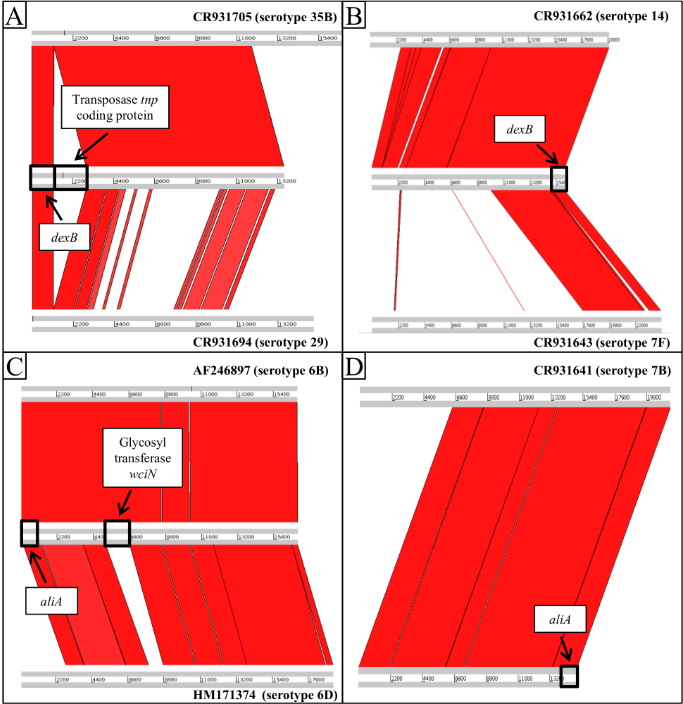
Streptococcus pneumoniae is a leading cause of severe infections like pneumonia and meningitis, especially in children and the elderly. With over 90 serotypes, tracking these strains is vital for vaccine evaluation and detecting non-vaccine types. The Quellung method, the current gold standard for serotyping, is costly, slow, and sometimes subjective. We evaluated three molecular alternatives, sequential multiplex PCR, sequetyping, and whole-genome sequencing (WGS), for their efficiency and accuracy as potential replacements.
- Sequential multiplex PCR effectively identified serogroups but lacked serotype-level precision.
- Sequetyping provided moderate accuracy but faced issues with misidentifications and non-amplifiable serotypes.
- WGS emerged as the most accurate and versatile, though it remains expensive and complex for routine use.
While none of the methods fully replace Quellung, WGS shows strong potential for future applications as costs and processing times decrease. It also offers additional insights into antibiotic resistance and genetic evolution. As technology advances, WGS may become the standard for comprehensive pneumococcal surveillance.
For more information, see the published paper.